
Five Key Principles for Creating Harmonious Garden Spaces

Creating a beautiful garden is more than planting flowers and hoping for the best. A well-designed garden is a carefully balanced space where nature and structure work together to create a peaceful, inviting environment. Harmony in garden design is not about perfection, it’s about cohesion, flow, and sensory appeal. Whether you’re designing a new outdoor area from scratch or refining an existing garden, there are five key principles that can guide your efforts and ensure your space feels unified and serene.
Balance Through Scale and Proportion
The first step in crafting a harmonious garden is to consider the scale and proportion of every element. A successful garden design ensures that no single feature overwhelms the rest and that each component fits comfortably within the broader landscape. Experienced Naperville landscapers often apply this approach when designing residential spaces that need to feel both visually rich and cohesive.
Balance can be symmetrical or asymmetrical. A formal garden might use mirror-image planting beds or identical ornaments on either side of a central path to create symmetry. In contrast, an informal garden may employ asymmetry with careful distribution of mass and volume, such as a large shrub offset by a cluster of smaller perennials on the other side of the space.
Scale and proportion should also extend to the size of your garden features. In a small courtyard, oversized trees or bulky structures can feel oppressive, while in a large estate garden, miniature features may get lost. Matching the scale of features, such as benches, pergolas, or focal plants, to the garden’s size maintains visual cohesion and ensures that the space feels thoughtfully composed.
Unity Through Repetition and Rhythm
Just as music becomes memorable through repeating patterns and rhythms, a garden becomes cohesive when certain elements are repeated. Repetition creates visual unity, guiding the eye through the space and establishing a sense of order.
This doesn’t mean planting the same flower over and over. Instead, use consistent themes in color, form, material, or structure. For example, using terracotta pots in different sizes throughout the garden can create a visual thread that ties the design together. Similarly, repeating plant types, leaf textures, or hardscape materials like brick or stone contributes to a rhythm that feels intentional.
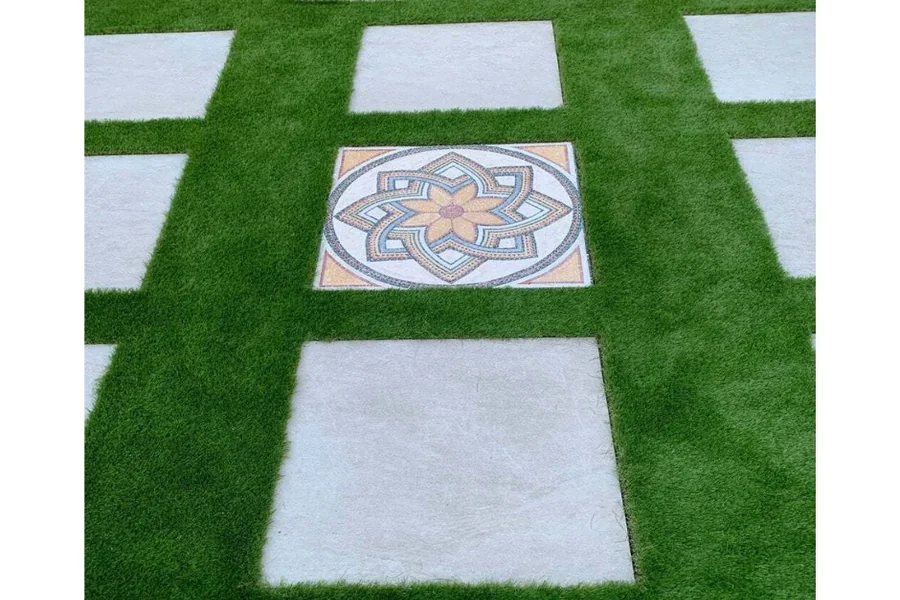
Rhythm also comes from the spacing and arrangement of elements. Mosaic garden paths, for instance, are an excellent tool for establishing rhythm. By drawing the eye along a particular route, they create a gentle, guided experience that adds to the feeling of serenity and cohesion. A curved path bordered by repeating plantings, or a straight walk punctuated by evenly spaced shrubs, helps reinforce both visual and physical flow.
Cohesion Through Color and Texture
Color is one of the most emotionally resonant tools in the garden designer’s palette. Thoughtfully chosen color schemes can soothe, excite, or enchant. In a harmonious garden, colors should complement each other and be used consistently throughout the space.
Start by selecting a base color palette that aligns with the mood you want to create. Soft pastels and greens are calming and subtle, making them ideal for tranquil gardens. Bolder hues like reds and oranges inject energy and draw attention but should be used sparingly to maintain balance.
Just as important as color is texture. Leaf shape, bark type, and flower form, all contribute to a garden’s tactile quality. Mixing fine textures (like ferns or ornamental grasses) with bold ones (like hostas or elephant ears) adds interest, but it’s essential to balance this variety so the garden doesn’t feel chaotic. Limiting the number of different textures and ensuring they echo each other in various parts of the garden can help achieve a cohesive look.
A mosaic garden can exemplify this principle beautifully. Combining plants with diverse textures and colors alongside intricate hardscaping, like mosaic paths or pebble patterns, adds depth and visual interest. When executed thoughtfully, this diversity enhances, rather than disrupts, the sense of harmony.
Structure Through Layers and Focal Points
Even the wildest-looking garden benefits from an underlying sense of structure. One of the most effective ways to create this structure is through layering: organizing plants in tiers from low to high, front to back. This not only creates visual depth but also allows each plant to be showcased without being overshadowed.
Start with ground covers and low-growing perennials in the foreground. Behind them, place medium-height shrubs and flowering plants, reserving the tallest trees or climbers for the back. When repeated in different garden zones, this technique creates a rhythm that is visually satisfying and natural.
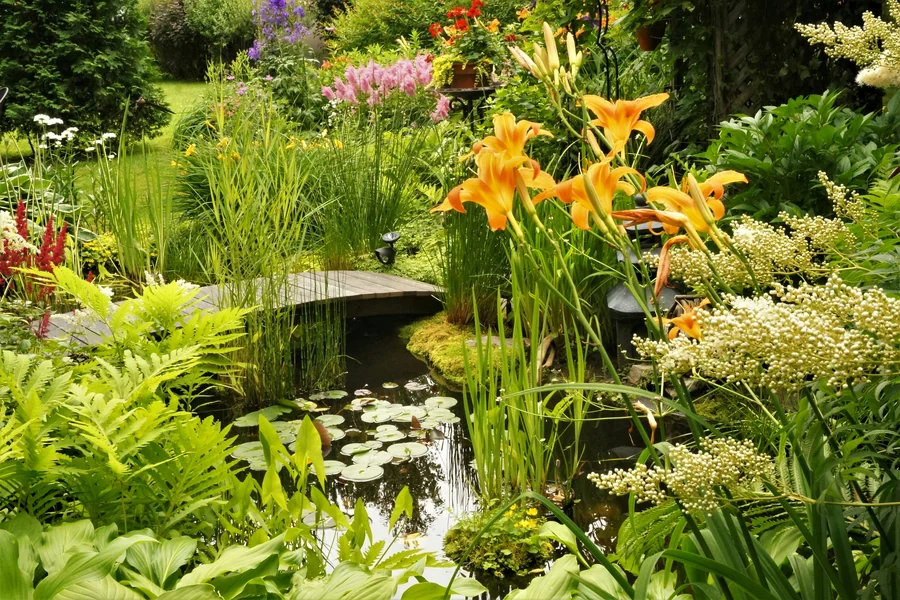
Equally important are focal points. These are the elements that capture the eye and anchor the space: a sculpture, a water feature, a uniquely shaped tree, or a beautifully designed bench. A good focal point offers a resting place for the gaze and adds meaning or personality to the garden. The key is to use focal points sparingly and to position them thoughtfully so that they complement rather than compete with the overall design.
In structured gardens, focal points can be aligned with key sightlines. In looser, more naturalistic designs, they can appear as surprises around bends in the path or at the center of garden rooms. Either way, they provide a visual pause and help organize the viewer’s experience.
Flow Through Movement and Transitions
A harmonious garden doesn’t just look good, but feels good to move through. Flow is about how people experience the garden, both visually and physically. It includes the way different sections of the garden transition into one another and how movement is guided by design.
The most literal element of flow is how people walk through the space. Garden paths should be comfortable, intuitive, and proportional to the surrounding elements. A meandering path invites exploration, while a straight one can provide a sense of formality and purpose. In either case, materials matter. Natural stone, gravel, or wood chips all offer different tactile and visual experiences. To maintain harmony, path materials should complement nearby plantings and structures, uniting the garden’s look and feel.
Transitions between different areas of the garden are equally critical. Moving from a sunny border into a shaded nook, or from a formal lawn into a wilder planting area, should feel natural. This can be achieved through gradual shifts in plant height, density, or color. Arches, pergolas, or simple hedging can also help define zones while keeping the experience cohesive.
Additionally, consider movement in terms of what changes over time. Gardens evolve with the seasons. Designing with flow in mind means accounting for how colors, textures, and shapes will shift throughout the year. Using plants with staggered blooming periods, or incorporating evergreens for year-round structure, ensures that the garden always feels alive and in balance.


