Debunking the Biggest Myths About Residential Solar Energy

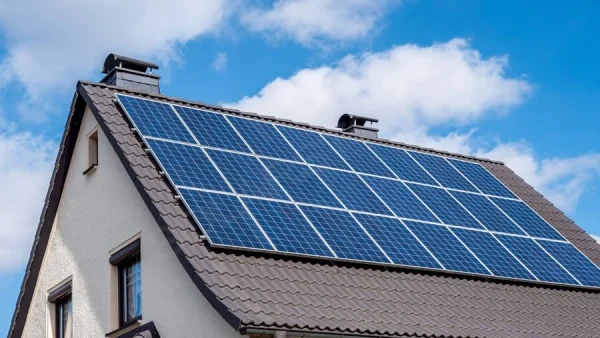
As more homeowners explore the benefits of solar power, misconceptions about residential solar energy continue to circulate. These myths often create hesitation and confusion, preventing people from making informed decisions about switching to renewable energy. The reality is that solar technology has evolved significantly, making it more accessible, efficient, and cost-effective than ever before. Many Freedom Forever Solar reviews reflect how the company helps dispel these myths by providing expert guidance and customized solar solutions. As a trusted provider of residential solar systems, Freedom Forever empowers homeowners across the United States to make confident, informed decisions that lead to long-term savings and greater energy independence.
To make an informed decision about solar energy, it’s essential to separate fact from fiction. Many of the concerns surrounding solar power stem from outdated information or misconceptions about how modern solar technology works. Understanding the realities of solar energy can help homeowners see its potential as a reliable and cost-effective solution for reducing electricity bills and contributing to a greener future.
By separating fact from fiction, homeowners can gain a clearer understanding of how solar power works and the tangible benefits it provides, from reducing electricity costs to increasing home value and promoting environmental sustainability.
Myth #1: Solar Panels Don’t Work in Cloudy or Cold Climates
One of the most common misconceptions is that solar panels require constant sunlight to function effectively. While solar panels do perform best under direct sunlight, they can still generate electricity on cloudy or overcast days. In fact, some of the leading solar markets, such as Germany and the Pacific Northwest, receive less sun than other regions but still see substantial solar adoption.
Cold weather can also improve solar panel efficiency. Unlike many electrical systems, solar panels operate more efficiently in cooler temperatures, which means they can produce more power during bright winter days than on extremely hot summer days. This makes solar energy a viable option for homeowners in a wide range of climates.
Myth #2: Solar Panels Are Too Expensive for the Average Homeowner
Many people assume that installing a solar energy system requires an unaffordable upfront investment. While solar panels were once costly, advancements in technology and financing options have made them more accessible than ever. Today, homeowners can choose from various financing options, including solar loans, leases and power purchase agreements (PPAs), which allow them to install solar with little to no upfront cost.
Federal tax credits and state incentives significantly reduce the cost of going solar. The federal solar tax credit (ITC) currently allows homeowners to deduct 30% of their solar installation costs from their taxes, making solar power a financially viable investment.
Myth #3: Solar Panels Require Too Much Maintenance
Another widespread myth is that solar panels demand constant upkeep. Modern solar panels are designed to be low-maintenance and highly durable. Most panels require only occasional cleaning to remove dust and debris that could block sunlight.
Solar panel systems typically come with 25-year warranties, and inverters—another crucial component—often last 10 to 15 years before requiring replacement. With few moving parts, solar panels experience minimal wear and tear, making them one of the easiest energy solutions to maintain.
Myth #4: Solar Energy Won’t Work If the Power Goes Out
Many homeowners believe that having solar panels means they will still have power during a blackout. While this can be true with battery storage, most grid-tied solar systems automatically shut down during outages for safety reasons. This prevents electricity from flowing back into the grid and poses a hazard to utility workers.
However, homeowners who invest in solar battery storage systems can keep their homes powered even during blackouts. With battery backup, stored solar energy can be used when the grid is down, providing increased energy security and independence.
Myth #5: Solar Panels Decrease Property Value
Some homeowners worry that installing solar panels could make their homes harder to sell. Research shows the opposite. Studies by the U.S. Department of Energy’s Lawrence Berkeley National Laboratory have found that homes with solar panels sell for 4.1% more than comparable homes without solar panels.
Buyers are increasingly prioritizing energy-efficient homes and properties with solar installations are seen as more attractive due to their long-term energy savings. A fully owned solar system can be a major selling point, helping homes sell faster in competitive markets.
Myth #6: Solar Panels Harm the Environment When They Are Disposed Of
While solar panels contain materials like silicon, glass and metal, which require energy to produce, their environmental impact is far lower than that of fossil fuels. Furthermore, the solar industry is continuously improving recycling programs to ensure that old panels are repurposed rather than ending up in landfills.
Many solar panel manufacturers now offer take-back programs to recycle decommissioned panels, recovering valuable materials for reuse. As solar technology advances, recycling processes are expected to become even more efficient, further reducing waste.
Myth #7: Installing Solar Panels Is Complicated and Time-Consuming
Some homeowners are discouraged from making the transition because they think switching to solar is difficult. However, working with an experienced solar provider simplifies the entire process, from permitting to installation. Most solar installations take just one to three days, with the permitting and utility approval process being the most time-consuming aspects.
Professional solar companies handle the paperwork, inspections and interconnection with the grid, ensuring that homeowners can enjoy a smooth and hassle-free installation experience.
Myth #8: Solar Panels Will Damage My Roof
Homeowners may hesitate to install solar panels because they fear they will harm their roofs. When properly installed by professionals, solar panels can protect the roof by shielding it from weather-related wear and tear. Installers use specialized mounting techniques to secure panels without compromising the roof’s integrity. In some cases, solar installations can extend a roof’s lifespan by reducing exposure to direct sunlight and harsh weather conditions.
As solar adoption continues to grow, more homeowners are recognizing the long-term benefits of renewable energy. Freedom Forever has helped thousands of homeowners transition to solar by providing expert guidance, customized system designs and reliable installation services. By addressing common misconceptions and educating homeowners on the realities of solar power, they empower individuals to make informed decisions about their energy future.
The Truth About Residential Solar Energy
Debunking common myths about solar power allows homeowners to see the true advantages of switching to clean energy. With increasing affordability, improved technology and reliable performance, solar energy is a practical and sustainable solution for homeowners nationwide. By understanding the facts, homeowners can make confident choices about investing in solar and securing long-term energy savings. As technology advances and the demand for renewable energy grows, residential solar power will continue to play a crucial role in shaping a more sustainable future.