

The Pro Playbook: Inside The Strategies Of Seattle’s Best Landscaping Designers
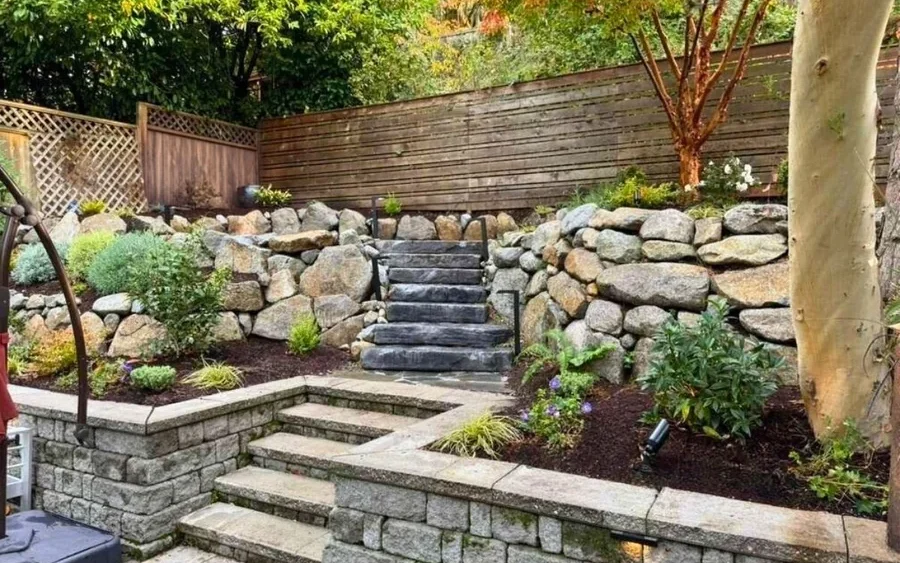
Seattle landscaping designers set themselves apart through their creativity, technical prowess, and a genuine passion for weaving local biodiversity into their work.
By incorporating native plants, these professionals promote sustainability, reduce maintenance, and bolster local ecosystems, which is why top designers favor them.
Modern approaches, like using digital design tools and smart technology, improve client engagement in landscape projects and boost usability along with environmental efficiency.
Recognizing Seattle’s moist climate is key to success; designers advocate for resilient, native plant species that create lush gardens year-round with little upkeep.
Implementing effective water management strategies, such as rain gardens and drip irrigation systems, is crucial in Seattle’s landscape design to enhance sustainability and address runoff challenges.
Strategic landscaping can substantially elevate property values since potential buyers are often attracted to thoughtfully designed outdoor spaces that evoke an emotional connection.
Successful landscape projects hinge on a collaborative effort between designers and homeowners, ensuring that vision aligns with practical use throughout the design journey.
Opening up the Secrets of Award-Winning Landscape Design
What Makes a Landscape Designer Stand Out in Seattle?
In Seattle’s competitive market, professionals need to be at the top of their game. A talented Seattle landscaping designer stands out by blending creativity, technical skill, and a profound understanding of the local environment. What’s the secret? Some excel because they embrace uniqueness. This city’s allure springs from its rich biodiversity—a key component that should resonate through every project, merging vibrant city energy with lush, natural elements.
Top designers often weave native plants into their designs, as these species are adapted to local conditions and require less water and maintenance. Clients frequently appreciate learning that native plants not only support local ecosystems but also lessen environmental effects. Additionally, innovative designers utilize sustainable materials, showcasing their commitment to eco-friendly practices.
The artistry of landscaping transforms any outdoor area into a sanctuary. By honing in on the client’s lifestyle and objectives, designers can create personal retreats, entertainment locales, or peaceful gardens for reflection. For clients, this means choosing a designer who genuinely connects with their vision while infusing it with Seattle’s distinct spirit.
“A well-designed landscape can turn any outdoor area into a treasured living space.”
Several additional factors significantly affect a designer’s success:
- Strong communication skills: Crucial for understanding client needs.
- Project management expertise: Ensures timely and budget-conscious execution.
- Attention to detail: Key in translating abstract ideas into concrete results.
Innovative Techniques Transforming Outdoor Spaces
Seattle designers are ever-pushing their creative boundaries. New technologies play a significant role; for example, digital design tools are reshaping the field, making it possible for professionals to create 3D models. Just imagine visualizing a space before the first shovel hits the ground—it’s revolutionary. Techniques like these foster meaningful engagement between clients and their designs.
Another rising trend is the incorporation of smart technology. Clients can manage everything from lighting to irrigation—and even outdoor heating—right from their smartphones. This tech-savvy approach boosts usability and enhances environmental efficiency. Indeed, these innovations can turn expansive backyards into modern, functional areas that elevate the homeowner’s experience.
Water features have also undergone a transformation, becoming more naturalistic and seamlessly blending into their environments. Whether through a thoughtfully positioned fountain or pond, such installations serve as eye-catching focal points while drawing in local wildlife. These elements can turn any garden into an extraordinary experience. But that’s not all; designers are also playing with diverse textures and materials, stepping away from conventional rigid structures.
- Natural stone paths: Provide a rustic appeal while remaining practical.
- Vertical gardens: Optimize limited space and introduce visual interest.
- Outdoor kitchens: Encourage entertaining in a welcoming setting.
Working through Seattle’s Unique Climate for Optimal Landscaping
Thriving Plants: Choosing the Right Flora for the Pacific Northwest
Seattle’s damp, mild climate necessitates thoughtful plant selection. Clients often find that the right choices yield lush gardens throughout the year instead of sparse patches. Local professionals recommend focusing on hardy, adaptable species that can endure varying weather conditions.
One of the perks of native plants is their resilience. Species such as Western Red Cedar, Sword Fern, and Salal thrive in Seattle’s wet conditions. Furthermore, they typically require less maintenance over time, making them ideal for busy homeowners. Those aiming to showcase the vibrant life of the Pacific Northwest certainly recognize the value of these selections.
“A thriving garden is not just beautiful; it’s sustainable.”
Planting choices aren’t only about looks; they must also serve the intended purpose of the space. Here’s a brief overview of effective planting strategies:
- Layering plants: Utilize different heights and textures for depth.
- Pollinator-friendly species: Attract bees and butterflies, boosting biodiversity.
- Color coordination: Arrange blooms strategically for year-round visual appeal.
Water Management: Strategies for Sustainable Landscaping
Given Seattle’s rainy climate, water conservation remains a priority. Designers integrate numerous strategies to ensure efficient water use. Rain gardens, for instance, are increasingly popular for managing runoff. They collect and filter rainwater, benefiting adjacent flora while preventing erosion.
Experts frequently endorse drip irrigation systems, which deliver water precisely to plant roots to minimize waste. However, systems must be designed mindfully to reflect the site’s natural hydrology. An effective water management strategy can elevate an ordinary design to something exceptional.
Some sustainable practices include:
- Collecting rainwater: Utilizing barrels to store surplus rainfall for later use.
- Permeable paving: Allowing water to soak in, thereby reducing surface runoff.
- Drought-resistant plants: Lessening overall water requirements while ensuring aesthetic appeal.
Maximizing Property Value Through Smart Landscape Choices
How Landscaping Enhancements Increase Home Appeal
Wondering about the return on investment? Thoughtfully executed landscaping can significantly elevate property values. Statistics indicate that buyers are often willing to pay more for homes that feature well-conceived outdoor spaces. Even minor enhancements, like a meticulously maintained lawn or visually pleasing flowerbeds, can greatly boost curb appeal.
Designers emphasize that a captivating landscape evokes an instant emotional response. It pulls potential buyers in, encouraging them to envision their life within that outdoor retreat. Whether it’s an immaculate garden, a cozy seating area, or majestic trees, such features leave a lasting impression. Simple maintenance can lead to impressive outcomes.
“A beautiful outdoor space tells a story – make sure it’s captivating.”
Here are some enhancements that can entice potential buyers:
- Pathways and lighting: Offer clear navigation while highlighting features.
- Focal points: Eye-catching water features or artistic sculptures draw interest.
- Outdoor living spaces: Creating lounges or kitchens enhances enjoyment.
Creating Functional Spaces that Impress and Inspire
Functionality drives contemporary landscape design. After all, how a space is utilized directly influences its value. Consultations often reveal that clients desire outdoor areas that promote relaxation and social interaction. Achieving this requires creativity and the ability to blend aesthetics with practicality.
For those interested in family-friendly designs, professionals can craft impactful spaces that accommodate outdoor activities while maintaining visual appeal. Imagine a shaded outdoor kitchen beneath a pergola, or a dedicated fire pit for gatherings. These designs not only optimize property usage but also enrich lifestyle. Homeowners can revel in the scenery without sacrificing functionality.
A few functional design ideas include:
- Defined zones: Creating spaces for cooking, lounging, or gardening.
- Flexible furniture: Employing movable seating adaptable to gatherings.
- Weather considerations: Incorporating covered areas for year-round use.
The Process Behind Professional Landscape Installations
From Vision to Reality: The Stages of Landscape Construction
Understanding the path from initial concepts to completed projects can assure clients that their visions will materialize. Effective installations typically unfold in several key stages. It begins with consultations, where designers delve into client desires and necessities, ensuring that no detail is overlooked.
Following this, the planning phase arrives—constructing layouts and strategically placing elements. This phase is crucial; failure to thoughtfully design can lead to frustrations down the line. Once construction kicks off, continuous communication keeps the project aligned with the client’s vision. It’s a cooperative endeavor that ensures the end product is both satisfying and inspiring.
Key stages typically encompass:
- Consultation and site analysis: Gaining insight into unique characteristics and client preferences.
- Design presentation: Sharing detailed visualizations for input.
- Implementation: Starting construction while integrating client feedback throughout.
Collaboration: Working with Designers and Homeowners
It’s not solely about the designer’s perspective. True collaboration forms the backbone of success. Homeowners bring valuable insights that can heavily influence the project. Their preferences should steer decisions, ensuring comfort and satisfaction with the final outcome. Thus, maintaining a two-way dialogue becomes both practical and advantageous.
Regular check-ins keep everyone in the loop. This practice is vital for aligning expectations and adapting to any changes that may surface. Often, such teamwork results in a final product that surpasses the homeowner’s original vision. In the end, successful projects arise from clarity, creativity, and effective communication.
Ultimately, successful landscaping is far more than plants and grass—it’s about forging a harmonious link between nature and home. This is achieved through skilled Seattle landscaping designers who translate client dreams into reality. Here lies the true artistry of crafting compelling outdoor spaces. Clients rightfully deserve to witness their visions come to fruition.
FAQ
What should homeowners consider before hiring a landscape designer in Seattle?
Homeowners ought to start by assessing their needs and vision for their outdoor space. Clearly defining desired aesthetics, functionality, and maintenance preferences can significantly streamline the selection process. Additionally, reviewing a designer’s past work and client testimonials can offer valuable insights into their compatibility with the homeowner’s style and requirements.
Are there specific seasons to consider for landscaping projects in Seattle?
Definitely. Spring often presents the ideal conditions for planting, thanks to the milder weather and consistent rainfall. Fall is another excellent option for planting, as it allows roots to get established before winter. Timing landscaping projects well can maximize plant health and improve overall outcomes.
How can homeowners ensure their landscaping stays sustainable over time?
To maintain sustainability in landscaping, using native plants and efficient water management practices is essential. Homeowners can utilize mulch, compost, and organic fertilizers to support plant health naturally. Regular upkeep—such as seasonal assessments—will help identify potential issues before they snowball, keeping the landscape vibrant.
What role do hardscape elements play in landscaping design?
Hardscape elements—including patios and walkways—provide structure and functionality. They define spaces, draw attention, and create usable outdoor areas. The right mix of hardscapes and softscapes enhances the landscape’s beauty while serving practical purposes, contributing to a cohesive overall aesthetic.
How can landscaping impact energy efficiency in a home?
Well-placed plants can offer natural shade, thus reducing heat gain during the summer and lowering cooling expenses. Furthermore, evergreen trees act as windbreaks, shielding homes from harsh winter winds. Thoughtfully designed landscapes not only contribute to seasonal energy savings but also enhance indoor comfort throughout the year.
What maintenance practices should homeowners follow after a landscape installation?
Following installation, regular watering, weeding, and mulching are critical. Additionally, seasonal pruning helps promote growth and prevent overgrowth. Establishing a maintenance schedule—whether handled personally or through a professional service—ensures that the landscape continues to thrive and present well.
What are some common features that add value to a property through landscaping?
Features such as outdoor living spaces, elegant pathways, and water elements can significantly enhance property value. Also, vibrant flowerbeds and inviting entryways create strong initial impressions. Investing in these components not only beautifies the landscape but also attracts potential buyers.
How does local wildlife influence landscaping choices in Seattle?
Considering local wildlife when designing landscapes can enrich ecological balance. Designers frequently recommend planting pollinator-friendly flora to attract bees and butterflies. Creating habitats with native plants also supports local ecosystems, making the landscape more vibrant and engaging for both homeowners and wildlife alike.
Useful Resources
- Washington State University Extension- Provides resources on sustainable gardening and landscaping practices tailored to the Pacific Northwest.
- Native Plant Society of Washington- Offers information on native plant species and their benefits to local ecosystems.
- Arbor Day Foundation- A trusted source for tree planting and care guides, with a focus on enhancing urban landscapes.
- American Horticultural Society- An organization that advocates for gardening education and sustainable practices.
- Plant Native- This site emphasizes the importance of utilizing native plants in landscaping to promote sustainability and support wildlife diversity.
- Saving Water Partnership- A resource focused on water conservation tips and landscaping strategies for efficient water management.
- Sustainable Landscape BC- Provides guidance on eco-friendly landscaping techniques and principles.
- Green Home Guide- Offers insights on sustainable living, including eco-conscious landscaping solutions.


