
Everything You Need To Know About Construction Accident Claims
Construction work demands strength, focus, and trust. You face heavy equipment, open heights, and constant noise. One sudden mistake can crush that trust. A fall, a machine failure, or a careless coworker can leave you hurt, scared, and unsure what to do next. This guide explains construction accident claims in clear steps. You learn what to document, who to notify, and how to protect your rights. You also see how workers’ compensation, insurance claims, and lawsuits fit together. Every choice after an injury affects your health, income, and family. A construction site accident lawyer can help you understand those choices and fight for fair payment. You deserve straight answers, not confusion or pressure. Use this guide to gain control, ask the right questions, and move forward with strength.
Common causes of construction accidents
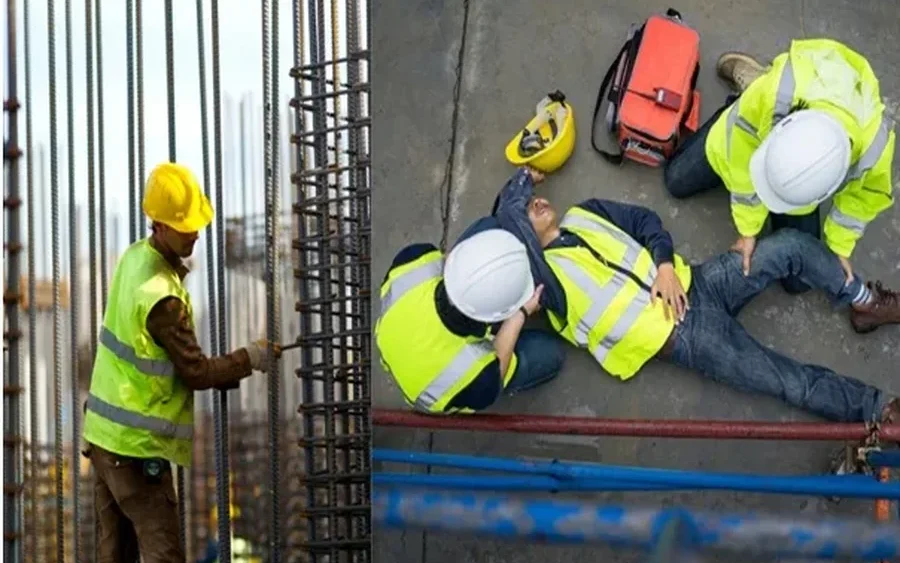
Construction injuries often follow the same patterns. When you know the common causes, you can explain what happened with more clarity.
- Falls from roofs, ladders, and scaffolds
- Struck by falling tools, materials, or equipment
- Caught in or between machines, trenches, or walls
- Electrical shocks and burns
- Equipment rollovers and vehicle impacts
- Exposure to loud noise, dust, or chemicals
The Occupational Safety and Health Administration (OSHA) tracks these hazards. You can read more about common construction risks on the official OSHA construction safety page.
First steps after a construction accident
Your actions in the first hours can shape your claim. Focus on three steps.
- Get medical care right away. Tell the doctor every symptom, even if it feels small.
- Report the injury to your supervisor as soon as you can. Ask for a written report.
- Write down what happened. Include date, time, location, and names of witnesses.
If you can, also take photos of the site, your injuries, and any equipment involved. Save broken gear, torn clothing, and safety tags. These simple steps can support your story when memories fade.
What counts as a construction accident claim
A construction accident claim is a request for money for injuries or losses tied to work on a site. It can involve one or more of these paths.
- Workers’ compensation claim through your employer
- Liability claim against a property owner, contractor, or equipment maker
- Insurance claim through auto or general liability coverage
Each path has different rules. Each path has different proof needs. Understanding the differences helps you choose your next step.
Workers’ compensation vs other claims
Most workers rely on workers’ compensation. Yet sometimes you can also bring a separate claim against another person or company. Here is a simple comparison.
| Type of claim | Who you file against | What you can recover | Do you need to prove fault
|
|---|---|---|---|
| Workers’ compensation | Your employer or employer’s insurer | Medical costs and part of lost wages | No. Coverage often applies even if no one was careless. |
| Third party injury claim | Property owner, subcontractor, or equipment maker | Full lost wages, pain and suffering, and other losses | Yes. You must show someone failed to act with care. |
| Auto insurance claim | Driver or company that owns the vehicle | Vehicle damage and injury losses | Yes. Similar to other injury claims. |
The rules for workers’ compensation come from state law. You can review general guidance on the official U.S. Department of Labor workers’ compensation page.
What you can recover
The money from a claim will not erase the injury. It can ease pressure on your family and help you stay steady.
Common types of payment include three groups.
- Medical costs. Doctor visits, hospital stays, surgery, physical therapy, and medication.
- Income losses. Paychecks you miss now and reduced earning power later.
- Other harm. Pain, stress, loss of sleep, and strain on family life in non workers’ compensation claims.
Keep all bills, receipts, and proof of missed work. Clear records tell a strong story.
Deadlines and notice rules
Every claim has time limits. If you wait too long, you may lose your right to payment.
- Report your injury to your employer as soon as possible. Many states set short windows.
- File workers’ compensation forms within the deadline set by your state.
- Start any lawsuit within the legal time limit called a statute of limitations.
These rules vary by state. If you work on federal projects or for a federal contractor, different rules may apply.
How a construction site accident lawyer can help
Construction claims can feel complex. You may face an employer, a general contractor, several subs, and big insurance companies. A lawyer who focuses on these injuries can do three key things.
- Explain your options in plain language so you can choose a path.
- Collect records, witness statements, and expert opinions to support your claim.
- Deal with insurance adjusters and court deadlines while you focus on healing.
You have the right to ask questions and to say no to quick low offers. A calm, steady guide can reduce fear and protect your future income.
Protecting yourself and your family
A construction injury shakes more than your body. It can threaten housing, food, and school plans. You cannot control every risk at work. You can control how you respond after an accident.
- Speak up early. Report hazards before and after injuries.
- Seek care and follow treatment plans to support your recovery and your claim.
- Stay organized. Keep a folder with reports, letters, photos, and notes.
Construction built many roads, bridges, and homes. It also leaves scars on workers. Your claim is not a favor. It is a legal right that protects you and those who depend on you.
Construction sites and roadwork zones often involve heavy machinery, lane closures, and high-risk working conditions. Companies like Chester Traffic Management help improve site safety through professional traffic control, temporary road management, and safer work environments for both workers and the public.